Ancient City of Polonnaruwa
Medieval Ruins Filled with Buddhist Art Masterpieces
Best Time to Visit
November to March
Duration
Half to full day
Difficulty
Easy
Polonnaruwa, which rose to prominence in the 11th–13th centuries, succeeded Anuradhapura as the capital of the Sinhalese kingdom. Its well-preserved ruins showcase the pinnacle of medieval Sri Lankan art and architecture.
Gal Vihara - Masterpiece of Buddhist Sculpture
The most celebrated artistic marvel is the Gal Vihara – a group of giant Buddha statues exquisitely carved from a single granite rock face. Here you'll see a serene seated Buddha in meditation, a towering standing Buddha, and an enormous 14-meter-long reclining Buddha, all considered masterpieces of Buddhist sculpture. These statues demonstrate the exceptional skill of ancient Sri Lankan craftsmen.
Royal Palace and Ancient Monuments
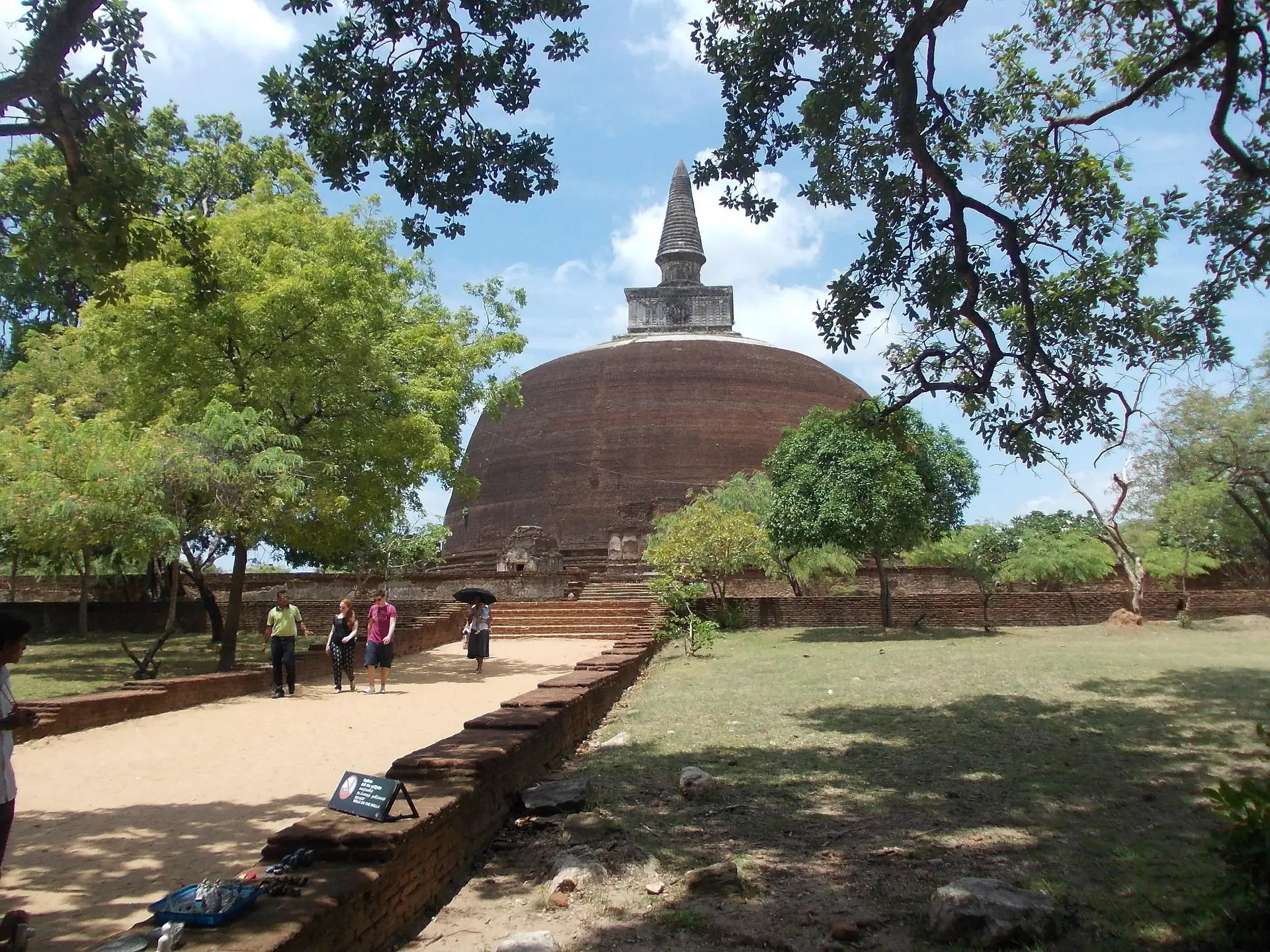
Other noteworthy sites include the ruins of King Parakramabahu's Royal Palace (said to have been seven stories high in its day) and the massive Rankoth Vehera stupa which is 170m in diameter. The ruins are scattered amid greenery and parkland, and one popular way to see them is by bicycle, allowing you to leisurely pedal through history. The archaeological park is expansive, with countless impressive statues and structures, many over 10 meters in size.
Exploring Polonnaruwa
As you wander Polonnaruwa, you can almost imagine the bustling medieval capital it once was. The site is well-maintained and easier to navigate than Anuradhapura. Cycling is highly recommended as it allows flexibility to explore at your own pace. Dress modestly when visiting sacred sites and bring plenty of water as it can get very hot. A guided tour helps bring the history to life.
Ready to Explore Ancient City of Polonnaruwa?
Find tours, hotels, and restaurants in this area